Tracing Biometric Feedback Loops from Wearable Tech on Player Output Variances in Soccer Lineups, Tennis Rallies, and Racing Mounts for Accumulator Construction
Hugo Reed · Aug 17, 2026
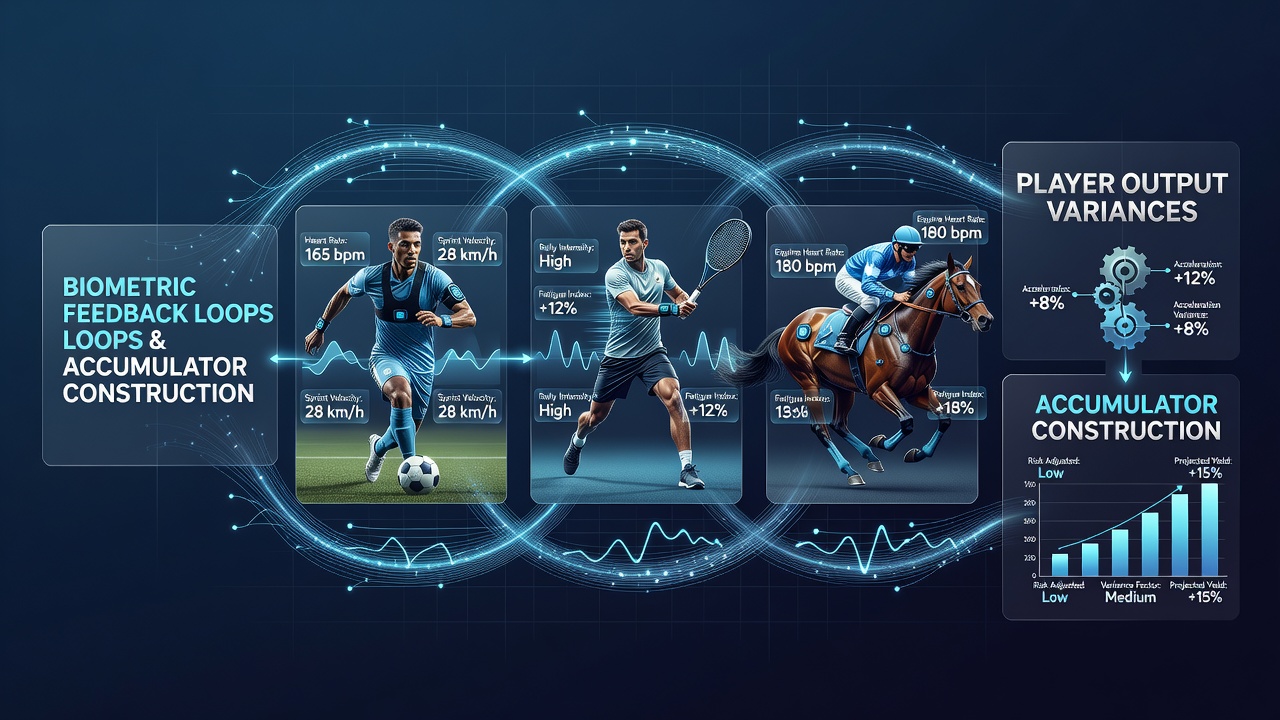
Tracing Biometric Feedback Loops from Wearable Tech on Player Output Variances in Soccer Lineups, Tennis Rallies, and Racing Mounts for Accumulator Construction
Data from wearable devices now flows directly into performance models that shape accumulator selections across soccer, tennis, and horse racing, with teams and bettors tracking heart rate variability, acceleration metrics, and recovery rates in real time. Researchers at the Australian Institute of Sport have documented how continuous biometric streams reveal output fluctuations that standard statistics often miss, while similar monitoring programs in European leagues and North American racing circuits generate datasets that inform lineup decisions and betting combinations during the 2026 season.
Biometric Monitoring in Soccer Lineups
Soccer clubs deploy GPS vests and chest straps that record player load, distance covered, and cardiovascular response throughout matches and training blocks, and these readings feed into algorithms that flag variances in sprint output or positional efficiency. When a midfielder shows elevated fatigue markers after back-to-back fixtures, rotation patterns shift, and accumulator builders adjust selections accordingly. Studies from the University of Queensland indicate that heart rate recovery intervals below baseline thresholds correlate with reduced high-intensity efforts in the second half, giving data analysts concrete signals for multi-leg wagers that include both team results and player-specific props.
Coaches integrate this feedback to fine-tune pressing triggers and recovery jogs, whereas betting syndicates cross-reference the same streams with historical match logs to identify squads whose collective biometric profiles suggest sustained intensity across a fixture list. In August 2026 several Premier League sides expanded their sensor arrays to include muscle oxygen saturation trackers, producing additional layers of data that refine accumulator structures built around underdog sides or over-performance markets.
Real-Time Feedback in Tennis Rallies
Tennis players wear lightweight armbands and smartwatches that capture stroke velocity, lateral movement speed, and lactate thresholds during extended rallies, allowing coaches to detect early drops in power output before visible fatigue appears. These loops close quickly because match data streams to courtside tablets within seconds, and players adjust footwork or shot selection on the fly. Observers note that prolonged baseline exchanges often produce measurable declines in serve speed after the third set, patterns that surface in datasets compiled by the International Tennis Federation and university labs in Canada.
Accumulator constructors use these variances to weight bets on set totals or individual player games won, especially when a competitor’s biometric profile shows incomplete recovery between tournaments. One study tracking ATP events found that players returning from consecutive three-set matches displayed 8-12 percent reductions in average rally speed, information that directly influences multi-match parlay construction when schedules tighten during summer hard-court swings.
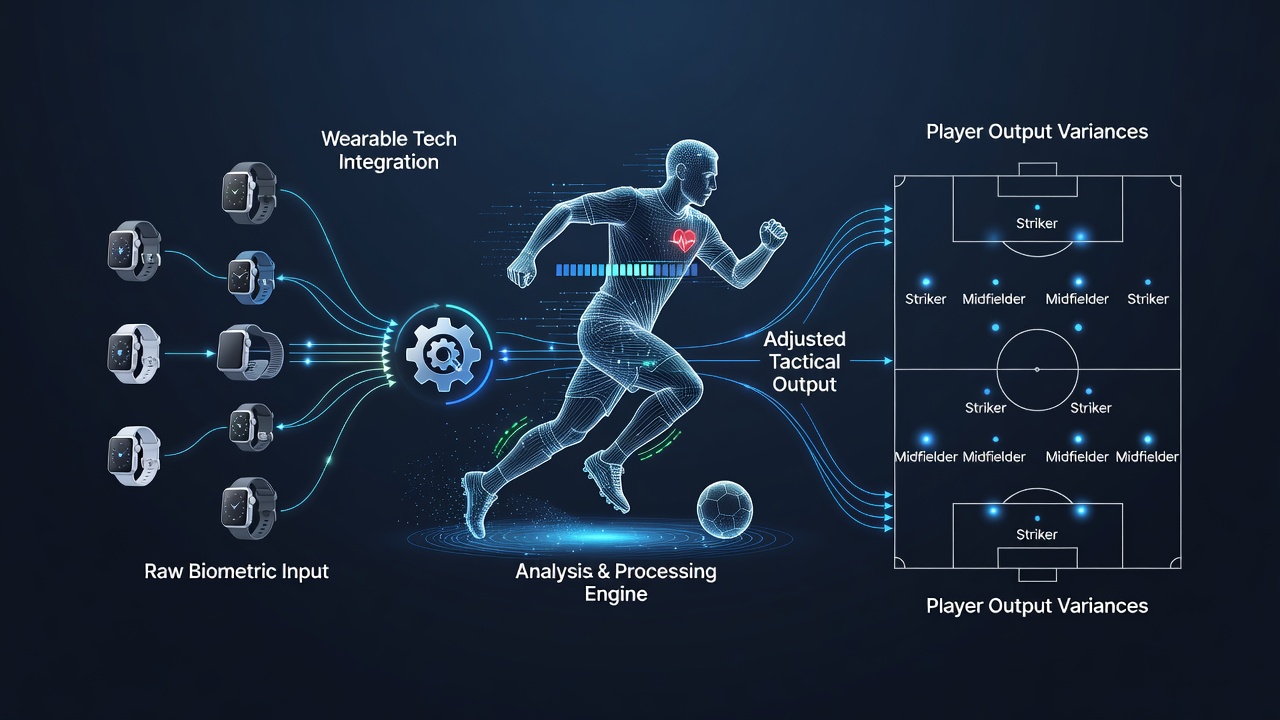
Wearable Integration in Racing Mounts
Jockeys and thoroughbreds both carry sensors that log stride frequency, peak acceleration, and respiratory rate throughout workouts and races, creating feedback loops that trainers review between starts. When a mount exhibits shortened stride length or elevated heart rate recovery times, connections adjust training loads or race distances, and these adjustments ripple into accumulator markets that combine multiple race outcomes. Data collected by the Hong Kong Jockey Club and shared through international racing federations shows that horses maintaining consistent biometric baselines across consecutive starts deliver more predictable finishing positions, allowing structured accumulators to incorporate both favorites and selected longshots with measurable edges.
Trainers now receive automated alerts when a horse’s oxygen uptake deviates from its established curve, prompting rest or veterinary checks that alter upcoming entries. Bettors who monitor public reports of these interventions can recalibrate their multi-leg bets before odds adjust, particularly in August when summer racing festivals increase fixture density and recovery windows shrink.
Connecting Feedback Loops to Accumulator Construction
Across all three sports the same core mechanism operates: sensors generate continuous biometric data, algorithms identify output variances, and those variances translate into selection criteria for accumulators. A soccer side whose collective recovery scores remain high across a congested schedule pairs naturally with a tennis player whose rally metrics hold steady in deciders and a racehorse whose stride data stays within optimal ranges. Platforms that aggregate these feeds allow bettors to layer outcomes into single wagers while maintaining statistical grounding.
Regulatory bodies in Australia and the European Union have begun requiring transparency around wearable data usage in professional sports, which in turn supplies cleaner datasets for model builders. As August 2026 unfolds, expanded sensor networks and faster data pipelines continue to tighten the connection between biometric signals and accumulator viability, giving participants across soccer, tennis, and racing access to performance indicators that evolve in real time.
Conclusion
Biometric feedback systems now supply measurable inputs that refine both athletic preparation and accumulator construction in soccer lineups, tennis rallies, and racing mounts. The loops operate through established sensor networks, documented recovery thresholds, and publicly referenced performance studies, producing data streams that participants apply across multiple sports without relying on subjective judgment. Continued expansion of these technologies through 2026 maintains the factual link between wearable outputs and structured betting selections.