Seasonal Cycle Disruptions: Mapping Recovery Gaps Across League Rotations, Turf Campaigns, and Court Schedules for Refined Multi-Event Wager Planning
Avery Schmid · Aug 26, 2026
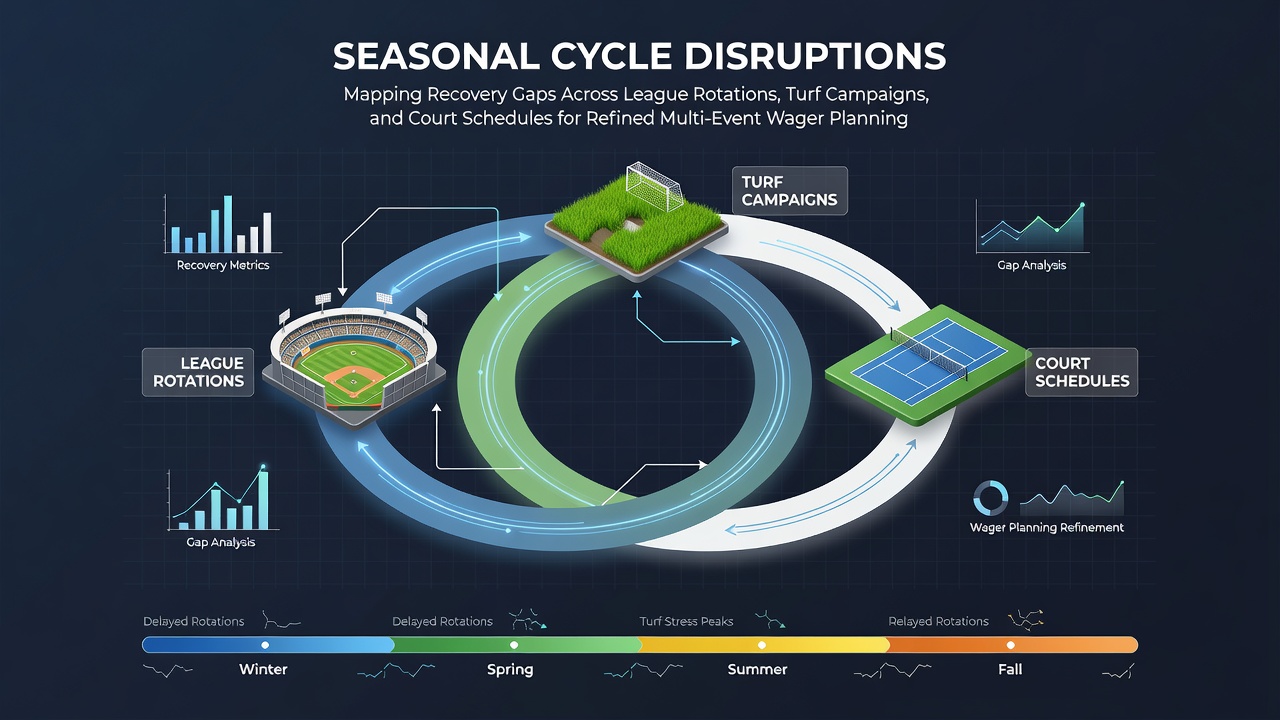
Seasonal Cycle Disruptions: Mapping Recovery Gaps Across League Rotations, Turf Campaigns, and Court Schedules for Refined Multi-Event Wager Planning
Seasonal shifts create distinct recovery windows that span football league rotations, horse racing turf campaigns, and tennis court schedules, and these patterns shape how multi-event wager planning accounts for downtime intervals across the three disciplines. August 2026 marks a transition point where European football pre-season schedules overlap with late-summer flat racing meetings and the final weeks of the North American hard-court swing, so analysts track how rest gaps narrow or widen depending on travel loads and fixture density.
League Rotations and Recovery Intervals in Football
Football leagues operate on fixed calendars that compress recovery periods when international breaks or cup competitions insert extra fixtures into the August-to-May window, and data from the European Club Association shows that teams averaging fewer than four rest days between matches experience measurable drops in high-intensity running metrics during the opening months of the campaign. League rotations force clubs to manage squad depth because midweek European ties often follow weekend domestic games, which means recovery gaps shrink to seventy-two hours for some players while others receive extended breaks after international duty. Observers note that these compressed timelines produce predictable variance in team output when multiple events coincide, particularly when a side travels across time zones before returning to domestic league play.
Turf Campaigns and Layoff Patterns in Horse Racing
Turf campaigns follow seasonal calendars that split between flat and jumps disciplines, and August typically brings a concentration of Group races on European tracks while Australian winter meetings conclude and North American circuits prepare for fall stakes, so trainers adjust layoff durations to align with these peaks. Research from Racing Australia indicates that horses returning from layoffs longer than thirty-five days show improved performance in sprints when the preceding campaign included at least three starts on similar ground, whereas shorter recoveries correlate with higher rates of unplaced finishes in longer-distance events. Turf schedules also intersect with weather-driven course changes that can extend or shorten recovery windows when meetings are postponed, and those adjustments ripple into multi-event planning because a delayed race meeting may force connections to reroute horses into alternative targets with tighter turnaround times.
Court Schedules and Back-to-Back Demands in Tennis
Tennis court schedules rotate between surfaces across the calendar year, and the August hard-court block that follows Wimbledon creates a compressed period where players move from grass to synthetic courts with limited adjustment time before the US Open begins. The International Tennis Federation maintains records showing that players contesting both the Canadian and Cincinnati Masters events encounter recovery gaps averaging forty-eight hours between matches, and those intervals shrink further when weather delays push matches into evening sessions. Court transitions matter because grip and ball speed differences require neuromuscular adaptation, so athletes who schedule additional rest days before the final Grand Slam of the year often display steadier serve percentages across the two-week event compared with those who play consecutive weeks without interruption.
Intersecting Recovery Gaps Across Disciplines
Multi-event wager planning requires mapping where football rotations, turf campaigns, and court schedules create overlapping or conflicting recovery windows, and August 2026 presents a clear example because football clubs begin domestic league play while select turf horses target late-summer festivals and tennis players navigate the final hard-court lead-ins. One study from the University of Sydney's sports science department tracked athlete and equine recovery metrics across similar seasonal overlaps and found that gaps shorter than five days between high-load events increased the likelihood of performance variance by measurable margins in each discipline. Planners therefore examine fixture lists for clusters where a football team plays twice in a week at the same time a key turf contender returns from a short layoff and a tennis player reaches a late-stage tournament without a scheduled rest day, because those alignments concentrate risk across multiple outcomes.
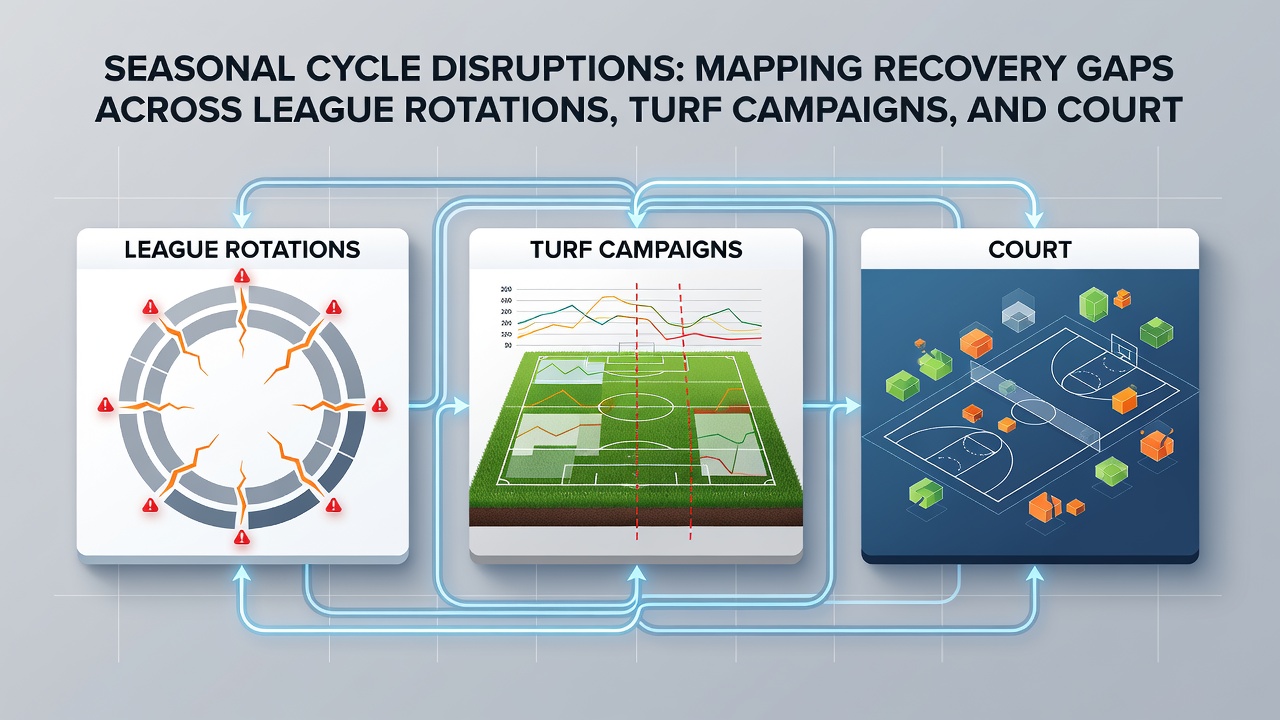
Travel further compounds these intersections when teams or connections cross hemispheres, and the resulting jet-lag effects documented by Sport Canada studies show that equine and human athletes require additional days to restore baseline physiological markers after long-haul flights. August schedules also coincide with end-of-season transitions in some southern hemisphere racing jurisdictions, which means certain horses enter European autumn campaigns with extended freshen-ups while others carry forward recent form from winter meetings, producing divergent recovery profiles within the same betting pools. Observers track these variables because the cumulative effect on multi-event accumulators depends on how many selections fall inside compressed recovery windows versus those granted adequate downtime.
Conclusion
Seasonal cycle disruptions produce measurable recovery gaps that span football league rotations, turf campaigns, adn court schedules, and mapping these intervals supplies factual inputs for multi-event wager planning when August 2026 schedules bring the three calendars into closer alignment than other months. Data on rest durations, travel loads, and surface transitions provide objective parameters that remain consistent regardless of individual outcomes, which allows systematic evaluation of how fixture clusters affect performance stability across disciplines.