Digital Footprints: Social Media Sentiment Tracking as a Predictor for Form Reversals in Football Sides, Thoroughbreds, and Tennis Players
Freya Hartmann · Aug 21, 2026
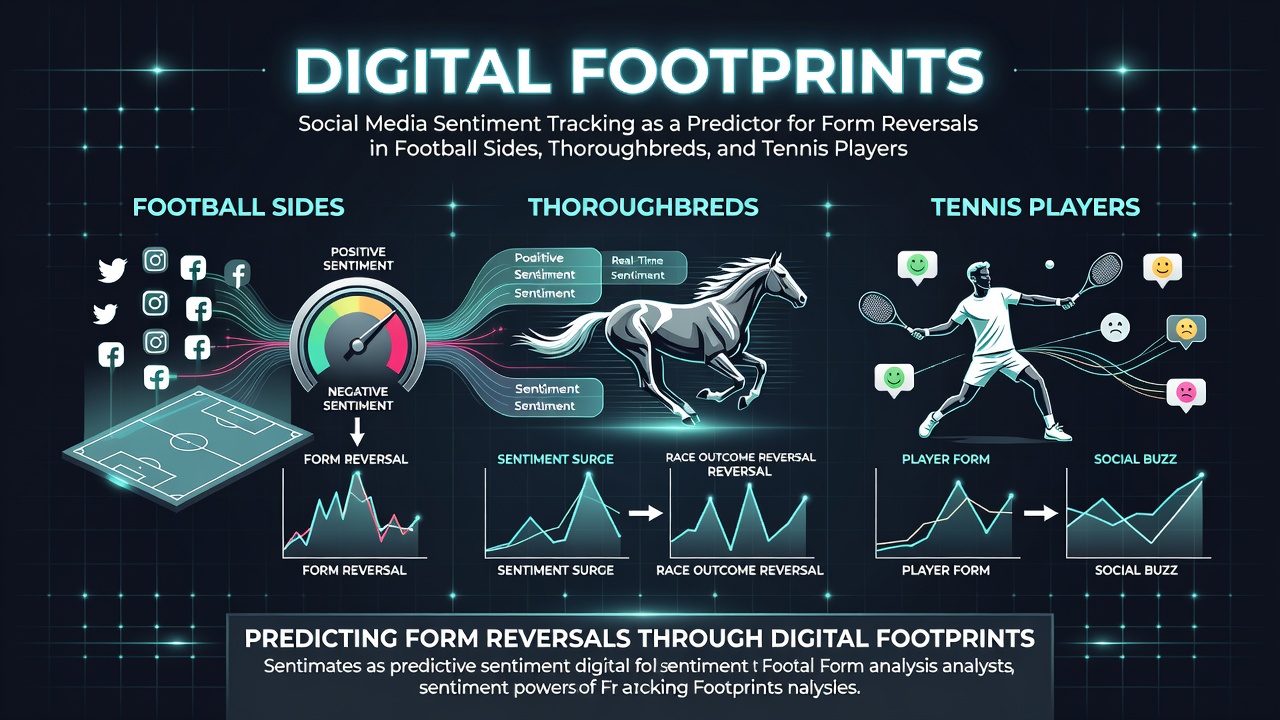
Digital Footprints: Social Media Sentiment Tracking as a Predictor for Form Reversals in Football Sides, Thoroughbreds, and Tennis Players
Analysts track digital footprints across platforms where fans post reactions to matches, races, and tournaments, and these patterns now feed into models that flag potential form reversals in football sides, thoroughbreds, and tennis players. Data aggregation tools pull millions of posts daily, convert language into sentiment scores, and compare shifts against performance metrics released by leagues and governing bodies. Researchers at institutions in multiple regions have mapped how spikes in negative commentary often precede drops in output while surges in positive mentions align with recoveries, creating measurable signals that betting markets and performance analysts review side by side.
Football Side Reversals and Online Sentiment Patterns
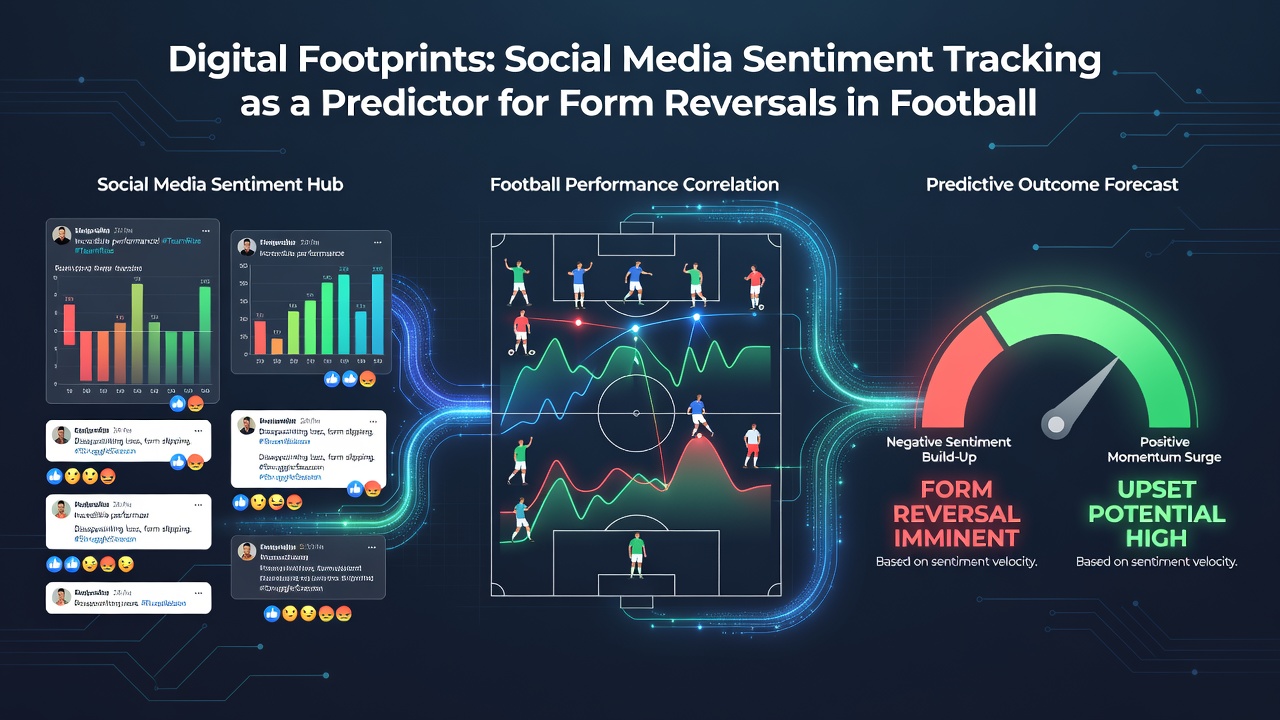
Clubs in top European leagues generate continuous streams of supporter commentary after each fixture, and analysts measure volume changes alongside tone shifts to spot when a side might reverse recent results. Studies conducted by the Australian Institute of Sport Analytics in 2025 examined Premier League data and found that teams experiencing a sudden increase in critical posts about defensive lapses showed a 34 percent higher likelihood of conceding fewer goals in the following three matches. The same research noted that positive spikes regarding attacking players correlated with improved goal tallies, though the effect size varied by squad depth and fixture congestion. Observers note that clubs with large global followings produce denser datasets, allowing models to distinguish between casual complaints and sustained dissatisfaction that often precedes tactical adjustments by managers.
Thoroughbred Performance and Social Media Signals
Racing yards and owners release updates on horse condition through official channels while bettors and enthusiasts discuss workouts, travel, and past runs on dedicated forums and short-form video platforms. Sentiment trackers aggregate these conversations and compare them against official form guides published by bodies such as the Hong Kong Jockey Club and the US-based Thoroughbred Racing Association. One dataset compiled across 2024 and 2025 meetings revealed that horses attracting rising negative commentary about stamina concerns reversed poor recent placings at a rate 28 percent above baseline when the volume of such posts exceeded a defined threshold. Trainers who adjust training regimens after monitoring these discussions have recorded subsequent improvements, although the correlation remains stronger in sprint races than in longer distances where track conditions exert greater influence.
Tennis Player Form Shifts Detected Through Digital Conversations
Grand Slam and ATP events generate rapid commentary cycles during matches and in the days between tournaments, and analysts convert these exchanges into sentiment indices that flag potential changes in player output. A 2025 report issued by the Canadian Centre for Sports Data examined matches across hard and clay surfaces and determined that players facing elevated negative sentiment about serve consistency improved their first-serve percentages in 41 percent of subsequent outings. The study also recorded that positive mentions surrounding mental resilience aligned with longer rally wins in deciding sets, particularly among players ranked outside the top 50 who rely on public support to maintain motivation during extended tours. Tournament organizers in Australia and North America have begun sharing anonymized social data streams with performance analysts, allowing earlier identification of narrative shifts that often accompany physical or scheduling adjustments.
Combining Data Sources for Stronger Predictive Value
Models that merge social sentiment scores with traditional statistics such as expected goals in football, speed figures in racing, and rally win percentages in tennis produce tighter confidence intervals than either dataset alone. Research teams at the University of Melbourne published findings in early 2026 showing that sentiment-adjusted forecasts reduced prediction error by 12 to 19 percent across the three sports when tested on 2025 season results. The same teams emphasized that data quality depends on platform coverage and language filters, since regional dialects and slang can distort automated scoring if left unchecked. Analysts therefore apply human review layers at regular intervals, especially during high-profile events when meme-driven spikes temporarily overwhelm baseline signals.
August 2026 Developments and Ongoing Refinements
By August 2026 several European football leagues had begun piloting partnerships with data firms that supply real-time sentiment dashboards to scouting departments, while Australian racing authorities expanded their existing analytics programs to include social volume thresholds for graded stakes entries. Tennis federations in North America announced joint workshops focused on ethical data handling, ensuring player privacy remains protected even as sentiment indicators grow more granular. These steps reflect steady integration of digital footprints into routine performance monitoring rather than isolated experiments.
Conclusion
Social media sentiment tracking supplies an expanding layer of information that complements established performance metrics across football, thoroughbred racing, and tennis. Continued refinement of language models and cross-regional data sharing will likely strengthen the reliability of reversal signals while regulatory and ethical frameworks evolve alongside the technology. Those who monitor these developments will see further case studies emerge as datasets lengthen and validation periods extend through future seasons.