Cross-Discipline Gear Impacts: Equipment Upgrades and Surface Modifications Altering Probabilities Across Football Fixtures, Equine Competitions, and Racket Matches
Hugo Reed · Aug 24, 2026
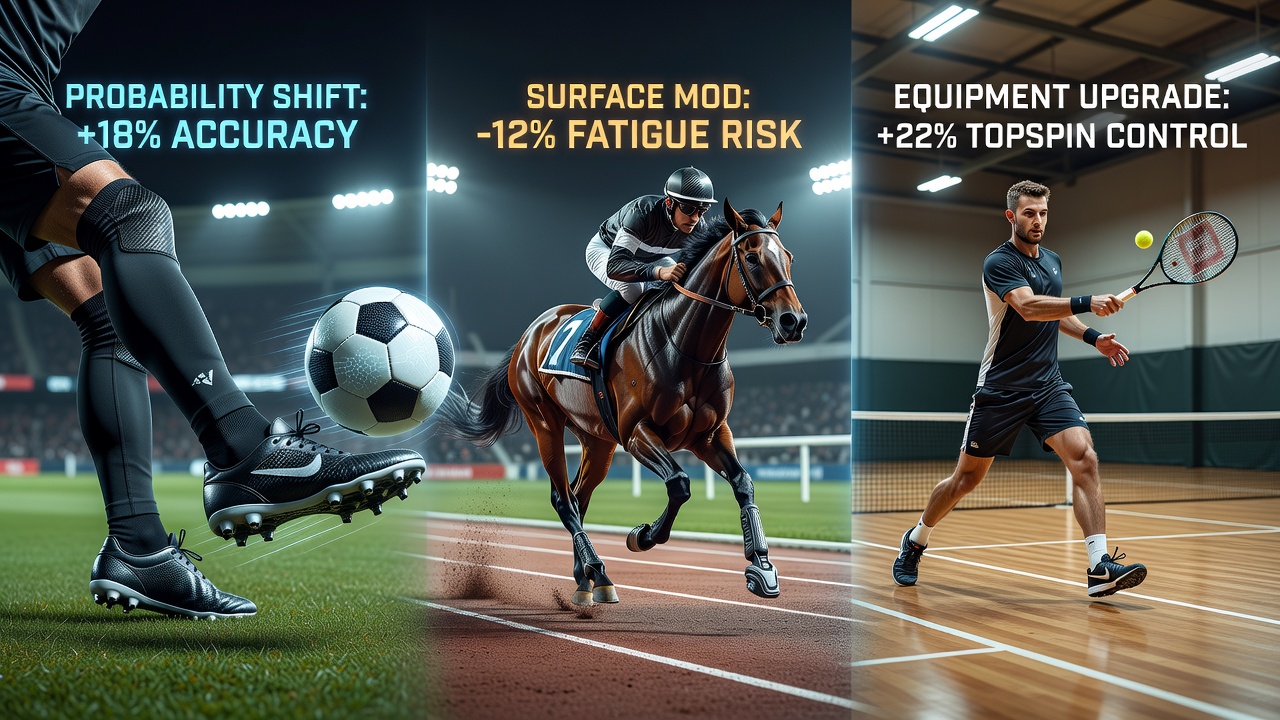
Cross-Discipline Gear Impacts: Equipment Upgrades and Surface Modifications Altering Probabilities Across Football Fixtures, Equine Competitions, and Racket Matches
Equipment upgrades combined with surface modifications continue to reshape outcome probabilities in football matches, equine races, and racket competitions, as data collected through 2026 demonstrates consistent patterns across these disciplines. Studies tracking performance metrics show that changes in footwear, tack, and rackets interact with pitch, track, and court conditions to shift win rates and scoring distributions in measurable ways.
Football Cleat Designs and Pitch Surface Interactions
Football teams have adopted specialized cleat configurations that alter traction on various pitch types, and researchers tracking these shifts report changes in sprint acceleration and directional stability during matches. Data from European leagues indicate that hybrid turf surfaces paired with molded-stud boots reduce slip rates by measurable margins compared to traditional grass, which in turn influences goal-scoring frequencies in fixtures scheduled through August 2026. Observers note that when clubs switch to bladed cleats on artificial pitches, pass completion percentages rise in midfield zones while long-ball success drops, creating new probability baselines for accumulator calculations.
Equine Tack Adjustments and Track Composition Effects
Horse racing operations apply saddle and shoe modifications that respond to track surfaces ranging from dirt to synthetic materials, and performance records compiled over multiple seasons reveal corresponding adjustments in finishing times. Thoroughbreds fitted with lightweight racing plates on firm turf post faster sectional splits than those using standard shoes on the same surface, according to figures compiled by racing authorities in Australia. Surface hardness levels further modify stride length and energy expenditure, which alters payout structures when trainers prepare entries for meetings where track conditions evolve rapidly between races.
Racket Frame Technologies and Court Surface Variables
Tennis professionals select racket string tensions and frame stiffness ratings that interact with court surfaces to modify ball rebound heights and spin generation, and match statistics from major tournaments document these influences on point durations. Clay courts paired with polyester strings increase rally lengths while grass surfaces combined with lower tensions favor shorter exchanges, patterns that data aggregators use to recalibrate set-win probabilities. Equipment suppliers report that players adjusting to mid-August 2026 hard-court swings often modify grip sizes to maintain control, producing shifts in unforced error rates that betting models incorporate when updating odds across racket events.
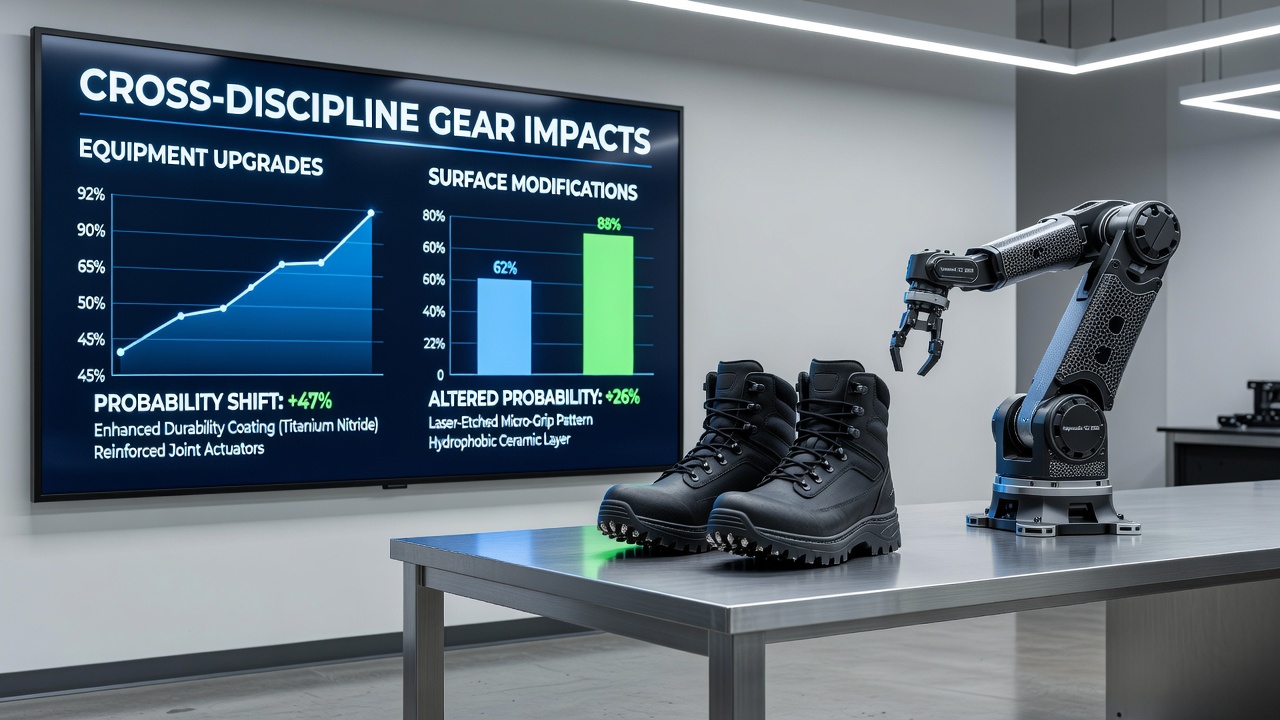
Cross-Sport Probability Adjustments from Gear and Surface Changes
Analysts examining performance databases find that similar equipment upgrades produce divergent effects once surface variables enter the equation, with football pitch drainage systems, equine track banking angles, and tennis court speed ratings each amplifying or dampening the impact. Research compiled by the National Institutes of Health sports science division shows that traction modifications in one sport correlate with reduced injury downtime that indirectly supports higher participation rates in subsequent events. Meanwhile the Australian Institute of Sport has documented how surface hardness readings taken before competitions allow trainers and coaches to fine-tune gear selections, resulting in updated probability estimates that span football, racing, and racket disciplines.
Teams and stables that coordinate gear choices with surface forecasts demonstrate measurable consistency in results, while those that overlook these interactions encounter wider variance in outcomes. Performance logs from the 2025-2026 seasons illustrate that early adoption of updated footwear or tack on specific surfaces correlates with improved position retention in closing stages of matches and races alike.
Conclusion
Equipment upgrades and surface modifications together generate observable shifts in probabilities across football fixtures, equine competitions, and racket matches, with data sets continuing to expand through August 2026. Organizations tracking these variables supply the quantitative foundation that informs updated models without relying on subjective interpretation. The patterns remain consistent when researchers isolate traction, rebound, and stride metrics across the three domains.